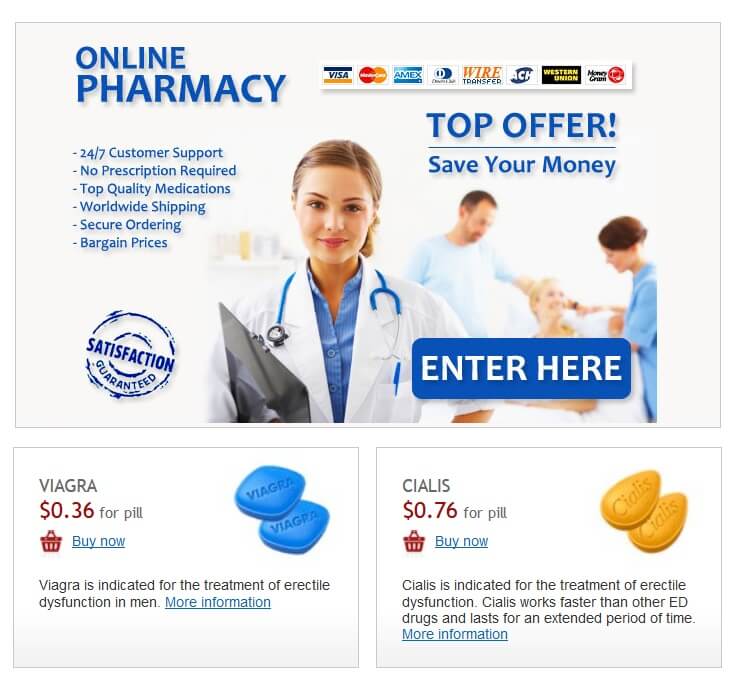
Check the website’s security features. Look for a padlock icon in the address bar and ensure the site uses HTTPS. Avoid websites with poor grammar, blurry images, or unrealistic pricing.
Verify the pharmacy’s legitimacy. Use resources like the National Association of Boards of Pharmacy (NABP) website to confirm a pharmacy’s license. Be wary of pharmacies located outside your country, especially those lacking proper licensing and regulatory information.
Scrutinize the product packaging. Counterfeit medications often have misspelled words, inconsistent fonts, or blurry printing. Compare the packaging to images of genuine products found on the manufacturer’s website.
Review customer testimonials carefully. While some positive reviews are common, an overwhelming number of overwhelmingly positive reviews may indicate fake testimonials.
| Unusually low prices | Significantly cheaper than legitimate pharmacies suggest a counterfeit product. |
| No physical address | Legitimate pharmacies display a physical address and contact information. |
| Pressure to buy immediately | Legitimate sellers do not use high-pressure sales tactics. |
| Lack of customer service | Difficulty contacting a representative should raise concerns. |
Report suspicious online pharmacies to relevant authorities. Contact your local health department or regulatory agency to report potential illegal activity.
Consult your doctor or pharmacist. They can provide guidance on legitimate sources for prescription medications and advise you on safe medication practices.